TrAIlblazers: AI in action with Team Product (ANZ)
Author:Damien Loy and Mik Larkin
Published:Apr 28, 2026

As AI adoption accelerates at Zip, we want to give both current and future Zipsters a clear, inside view of how our ways of working are evolving; the problems we’re tackling, how we’re adapting our roles and skills in real time, and the support we’re getting along the way.
Our story has always been about our Zipsters pushing what’s possible with technology to create exceptional customer experiences - and as AI becomes deeply embedded in how we work, our focus stays firmly on enabling our teams to do that even more effectively.
So wherever you are on your own AI journey, this is about helping you understand your fit at Zip, whether that means supporting you to level up your own capability, or playing a leading role in shaping what comes next.
In this article, Damien and Mik from our ANZ Product team share how AI is reshaping their work in practical ways - from uplifting the quality and consistency of design systems to simple, everyday uses like summarising meetings and organising actions. Together, their stories show that AI isn’t just about doing things faster, but about creating space to focus on our craft and the impact that matters most.
Damien
I’m Damien, a Senior Product Designer at Zip, and my role is focused on building and scaling our design system. Our primary goal is to enable Zip’s product teams to move quickly, innovate more effectively, and deliver consistent experiences for our customers and merchants.
A big part of this is maintaining a strong foundation of well-defined design tokens (e.g. colour, text, spacing and breakpoints), reusable components and clear documentation. This structure doesn’t just support designers and engineers; it also provides the necessary context for AI tools and agents to operate effectively.
Traditionally, defining requirements and running a detailed discovery process for a single UI component can take days or even weeks to confidently validate what should be built. This often involves manually researching existing patterns, synthesising findings into a proposed solution, and validating decisions through reviews and engineering input.
With tools like Claude Code and Codex, I have begun to explore defining requirements and generating our design system components directly into the Figma canvas. With the right context and foundations in place, this process can be reduced to hours or even minutes. I’ve also found these tools particularly effective for handling more repetitive tasks, such as drafting UI documentation, preparing handover notes, and generating initial usage and accessibility guidelines.
AI isn’t only improving how we design, but also how we collaborate with engineering. Even with a mature design system, there was still a lot of manual effort in explaining component behaviour, usage, and refining edge cases. Using the Figma MCP (Model Context Protocol) with Claude Code, we’re building components in a way that makes the intent clearer upfront, giving engineers and our agents a stronger starting point and reducing ambiguity in the design-to-implementation process.
While our workflows and tools are still evolving, AI is already helping us make more informed decisions, iterate faster, and focus more on high value, customer centric problems. I’m personally very excited about the future of product design in an AI native world.
Mik
I’m Mik, a Product Manager at Zip working across our Repayments and Account Management product teams. My focus is making sure customers have the tools and education they need to manage their repayments confidently, and ensure they can access high-quality support throughout their lifecycle with us.
Working across these two separate spaces means juggling a lot; multiple initiatives, engineering teams, stakeholders, and varied customer problems. This creates a healthy bit of chaos and a lot of context switching.
The opportunities and potential of AI embedded into workplaces and workflows is endless but prepare yourself, the example I'm sharing today is deliberately simple - but it underscores a powerful shift. One of the simplest but most valuable ways I’m using AI now is throughout my unread slack messages, meetings, managing actions & my to do list. I rely on various AI agents to summarise discussions, generate next steps and feed this into my to do list in an organised, prioritised and palatable format. It’s basic, but it’s made a real difference.
Before, I was trying to facilitate conversations within meetings whilst also capturing notes and actions - and honestly, doing both poorly. Now, I can be fully present.
That shift has changed how I listen and how I manage my time. Instead of listening for keywords in meetings, I can listen for nuance - where to ask better questions or challenge how we’re thinking about a problem. Instead of spending time everyday working out how to sequence my to-do list and where the most impact sits - I can jump straight into deep work.
At Zip, having access to a range of AI tools has been crucial. It’s given me the flexibility to experiment and figure out what actually works for my role and my day to day, rather than forcing a single approach.
Looking ahead, what excites me most isn’t anything flashy. It’s AI quietly taking care of the repetitive, distracting tasks that take up mental space. That creates more room for deep thinking, and that’s where better ideas and real creativity come from.
Like what you've read?
Check out these other articles
Oct 15, 2026
Life at Zip
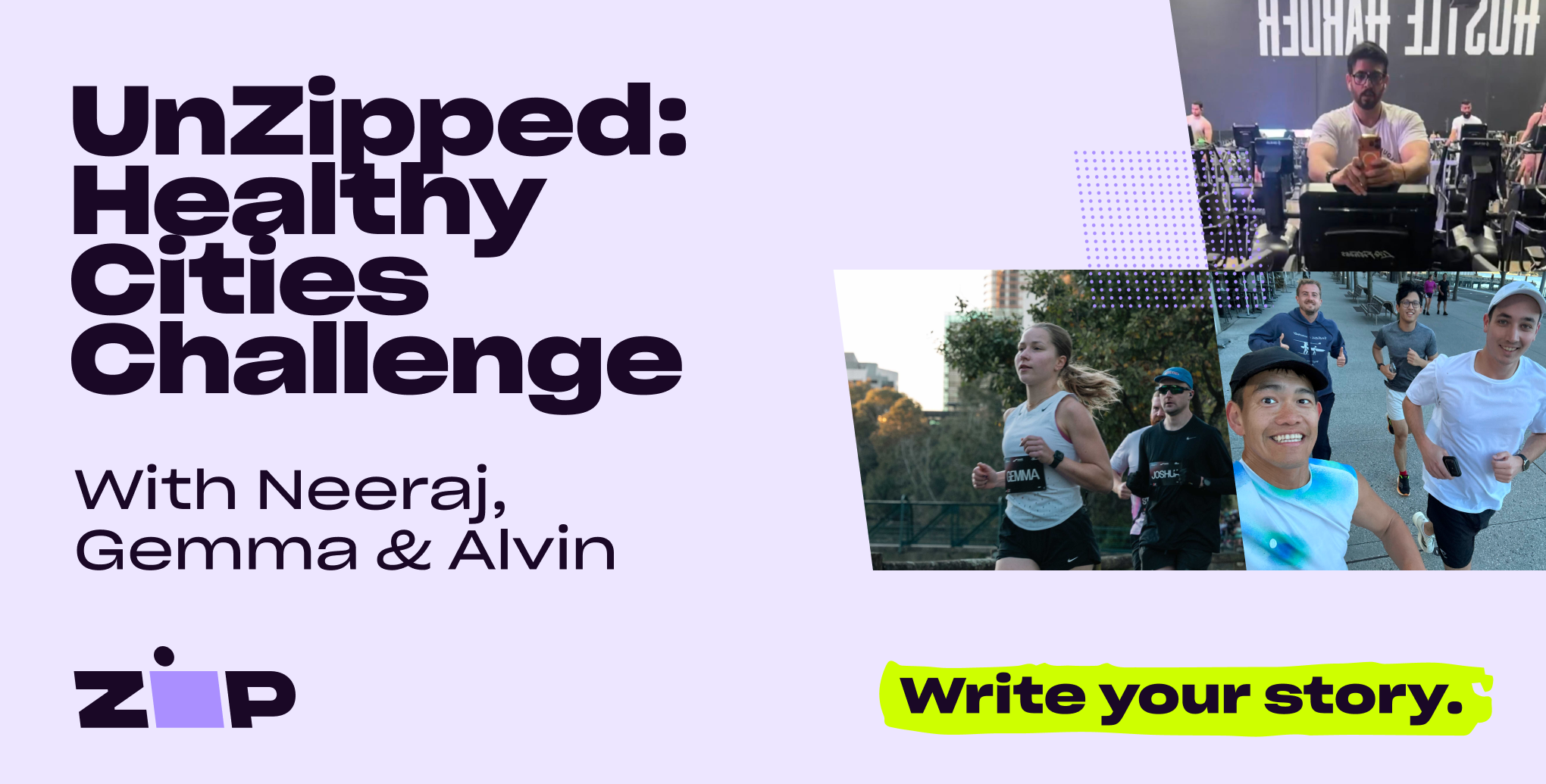
UnZipped: Healthy Cities Challenge
Author: Multiple Contributors
Three AU-based Zipsters reflect on memorable moments from the 2026 BUPA Healthy Cities Challenge.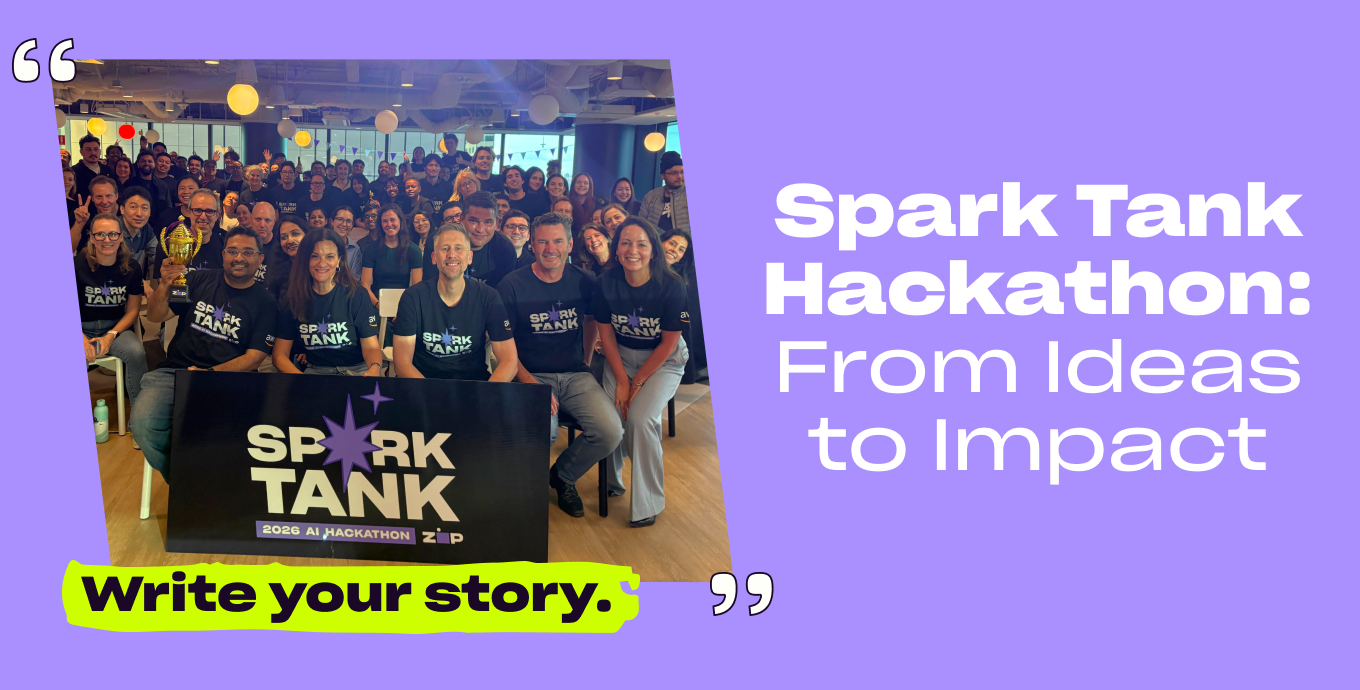
Oct 14, 2026
Life at Zip
Spark Tank Hackathon: From Ideas to Impact
Author: Multiple Contributors
Three Zipsters from across our AU business reflect on Spark Tank, our recent AI-themed Hackathon and Learning Experience.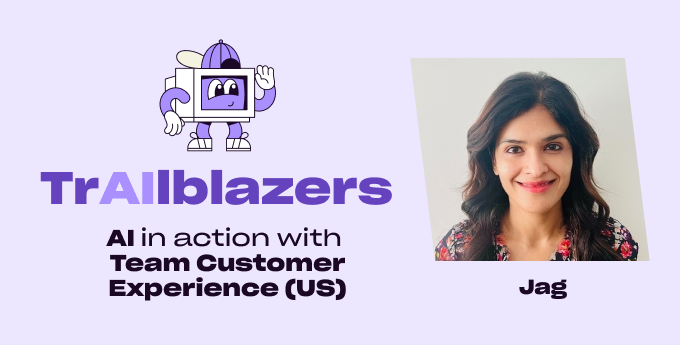
Sep 27, 2026
Technology
AI in action with Team CX (US)
Author: Jag Seth
Hear from US VP Customer Experience Jag Seth on how AI is re-shaping how our teams service customers.


