Back to Zip Insights
Zip Card vs. debit card vs. credit card: Which is right for you?
November 16, 2026
Share article
When it comes to paying for everyday purchases, credit cards and debit cards are the most common options. But what if you want to make a purchase without paying the full amount upfront or with revolving credit?
Whether you're shopping for something you need, planning a larger purchase, or simply looking for more flexibility in how you pay, understanding your options can help you choose what works for you.
While credit cards let you borrow against a credit limit and debit cards use money already in your bank account, buy now, pay later (BNPL) options like Zip offer eligible customers another way to pay for purchases over time.
So, how do they compare? Let's break down the differences between credit cards, debit cards, and the Zip Card—including how each works, their benefits, and potential drawbacks.
What is a credit card and how does it work?
A credit card allows you to borrow money up to an approved credit limit to make purchases. Instead of paying directly from your bank account at checkout, you receive a bill and repay what you've borrowed later.
You can typically choose to pay your balance in full each month or carry a balance over time, subject to your card's terms.
Benefits of using a credit card:
Payment flexibility: Make purchases now and pay your balance later
Potential rewards: Some credit cards offer cashback, points, or other perks
Credit history: Responsible use can help establish or build your credit history
Purchase protections: Many cards offer fraud protection and additional purchase benefits
Everyday convenience: Most credit cards are widely accepted online and in stores.
Potential drawbacks of using a credit card:
High interest rates: Credit card interest rates can be expensive, especially if you carry a balance; depending on the card and your credit profile, rates can exceed 30%, significantly increasing the total cost of your purchases and creating a potentially insurmountable financial loop
Additional fees: Some credit cards charge annual fees, late payment fees, cash advance fees, or other costs that can add up over time
Credit requirements: Approval and borrowing amounts typically depend on factors like your credit history, income, and overall financial profile
Potential impact to your credit score: Missing credit card payments or making late payments can negatively impact your credit score, potentially making it harder to qualify for future credit or favorable interest rates
Risk of accumulating debt: Carrying a balance from month to month can lead to additional interest charges, making it harder to pay off purchases over time
Limited acceptance: Not all credit cards are accepted everywhere. Depending on the card's payment network, some merchants may not accept it, meaning you may need an alternative payment method for certain purchases
According to the Federal Reserve, the average interest rate for credit card accounts charged interest was approximately 22.4% APR as of August 2026.3
Credit cards can be useful for people who want ongoing access to credit, rewards, or the ability to pay over time. However, interest and fees are important considerations, especially if you don't expect to pay your balance in full each month.
What is a debit card and how does it work?
A debit card is typically linked directly to your checking account. When you make a purchase, the money is deducted from your available bank balance.
Unlike a credit card, a traditional debit card doesn't allow you to borrow money to cover purchases.
Benefits of using a debit card:
Spend money you already have: Purchases generally come directly from your bank account
No interest on purchases: You're not borrowing money when making standard debit card purchases
Everyday convenience: Debit cards are widely accepted online and in stores
Simple spending management: Your purchases are tied to your available account funds
Does not impact your credit: Standard debit card purchases generally don't help establish or build credit history
Potential drawbacks of using a debit card:
No built-in installment payments: Unlike credit cards or the Zip Card, traditional debit cards don't let you split purchases into smaller payments over time. You generally need to pay the full amount upfront
Limited spending flexibility: You can typically only spend the money available in your linked bank account, without access to additional purchasing power
Less flexibility between paychecks: If you need to make a purchase before your next payday, a debit card generally won't let you spread out the cost or access funds beyond the money in your account.
Immediate impact on cash flow: Debit card purchases typically reduce your available bank balance right away, leaving less money available for other expenses until your next deposit
Potential bank fees: Depending on your bank and account settings, overdraft fees or other account charges may apply
Fewer rewards and perks: While some debit cards offer cashback or other benefits, rewards programs may be more limited than those available with certain credit cards
Fewer purchase-related benefits: Traditional debit cards may not offer the same extended warranties, purchase protections, or other benefits available with certain credit cards
Debit cards can be a good fit for everyday spending when you prefer to use funds already available in your account. But if you're looking for ways to spread out payments, a traditional debit card may not offer the flexibility you need.
Can you pay in installments without a credit card?
Yes. Buy now, pay later options like Zip let eligible customers split a purchase into scheduled payments instead of paying the full amount upfront. Unlike a revolving credit card account, a Zip plan has a set payment schedule, and applicable fees are shown before you confirm.
What is the Zip Card and how does it work?
If you're exploring credit card alternatives or looking for ways to pay in installments without a credit card, the Zip Card offers another option worth considering.
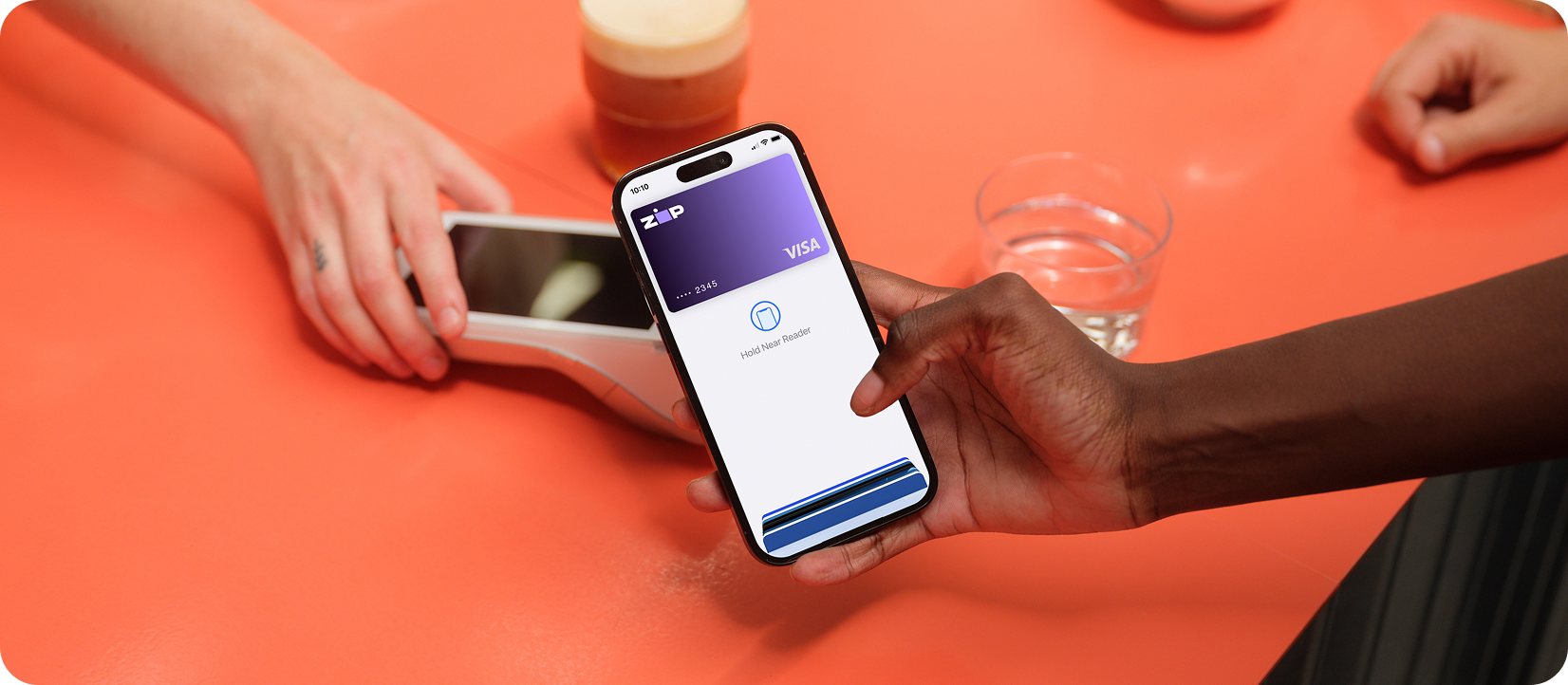
The Zip Card works with the Zip app, allowing eligible customers to make purchases using buy now, pay later financing rather than paying the entire purchase amount upfront.
You can split an eligible purchase into 2, 4, or 8 payments,2 depending on what you're eligible for. Your first payment is due at the time of purchase, with the remaining payments generally due every two weeks.
Unlike a traditional credit card, each Zip purchase is reviewed separately for approval.
You can use Zip for eligible purchases online or in-store, with a virtual card or physical Zip Card, subject to merchant and product restrictions.
Benefits of using the Zip Card:
Spread out payments: Split eligible purchases into smaller installments instead of paying the full amount upfront, giving you more flexibility to manage your cash flow
Transparent fees shown upfront: Applicable fees and the total repayment amount appear upfront, so you know what you're paying before confirming your purchase
No annual card fees: There's no subscription fee, or annual fee just to have a Zip Card. Applicable financing fees are disclosed when you make a purchase
Predictable payments and payment reminders: Know exactly how much each installment will be and when it's due with built-in payment reminders, rather than managing a revolving credit card balance with potentially accumulating interest
Shop online or in-store: Use Zip for eligible purchases nearly everywhere Visa is accepted,4 subject to restrictions
An alternative to traditional credit cards: Access purchase-specific installment financing without opening a traditional revolving credit card account
Does not impact your credit: Applying does not impact credit
Grow spending power: With responsible use, eligible customers may qualify for higher spending limits over time5
Pay nearly anywhere: pay over time nearly anywhere Visa is accepted, from everyday essentials like groceries and gas to bills, utilities, and more 1
Potential drawbacks of Zip Card:
Approval is required: Each purchase is subject to approval
Payments are still required: You'll need to make your first payment upfront and have enough upcoming funds for future installments
For shoppers who want a more structured way to pay over time, Zip can be an alternative to traditional credit card borrowing.
Zip Card vs. debit card vs. credit card: side-by-side comparison
Still deciding which payment method is right for you? Here's a quick comparison of how each option works.
Feature | Credit card | Debit card | Zip Card |
How you pay | Borrow up to an amount the card issuer approves, from a few hundred to thousands. | Pay from your bank account | Pay for approved purchases in installments |
Pay full amount upfront? | Not necessarily | Generally yes | No; an initial payment is required |
Pay over time? | Yes, with revolving credit | Not typically | Yes, with scheduled installments |
Interest and fees | Interest, card, late and other fees may apply | Bank fees may apply | Financing , late and payment date change fees may apply |
Rewards or perks | Available on some cards | Available on some cards | Rewards through features, like Zip Play, and eligible offers |
Approval required? | Yes | Generally tied to bank account eligibility | Yes, for each purchase |
Affects credit score? | Yes | Generally no | No |
Best suited for | Ongoing credit access and potential rewards | Spending available funds | Spreading eligible purchases into scheduled payments |
Which payment option is right for you?
Choosing between a debit card, credit card, and the Zip Card depends on your spending needs, financial goals, and how much flexibility you want when making purchases.
A debit card may be right for you if…
You have the funds available to cover your purchases upfront and don't need to spread out payments. It's a straightforward way to spend money directly from your bank account without taking on debt.
A credit card may be right for you if…
You want access to larger borrowing amounts and have the means to manage and repay your balance. Credit cards offer ongoing purchasing power, but carrying a balance can lead to high interest charges and accumulating debt, making responsible repayment especially important.
The Zip Card may be right for you if…
You want more flexibility without managing a revolving card balance. With purchase-by-purchase approvals, predictable installments, and applicable fees disclosed upfront, Zip offers a more structured way to spread out payments. Eligible customers may also have options to reschedule payments when needed, subject to applicable terms.6
Ultimately, the right payment method is one that fits your budget, gives you the flexibility you need, and helps you stay in control of your spending.
Want to split payments without a credit card? Try Zip
Credit cards and debit cards aren't your only options when it comes to paying for purchases.
If you're looking for a way to split payments without a traditional credit card, Zip offers eligible shoppers the flexibility to buy now and pay over time.
With the Zip app, you can explore your payment options, review installment schedules, and pay online or in-store for eligible purchases.
3 Federal Reserve Board. (2026, October 7). Consumer Credit (G.19) — Oct. 7, 2026. https://www.federalreserve.gov/releases/g19/
4 VISA is a trademark owned by Visa International Service Association and used under license.
5 Displayed estimated spending power is for representative purposes only. Your Estimated Spending Power is a point-in-time estimate of how much you may be able to spend, is not guaranteed, and is impacted by a number of factors. Zip or WebBank may decrease your estimated spending power within its reasonable discretion, including where you have previously had an unpaid balance or have an amount past due. Your estimated spending power is not an open line of credit. Each transaction is separately reviewed for approval. For additional details, please see the terms and conditions.
6 A fee may apply for payment date changes.